

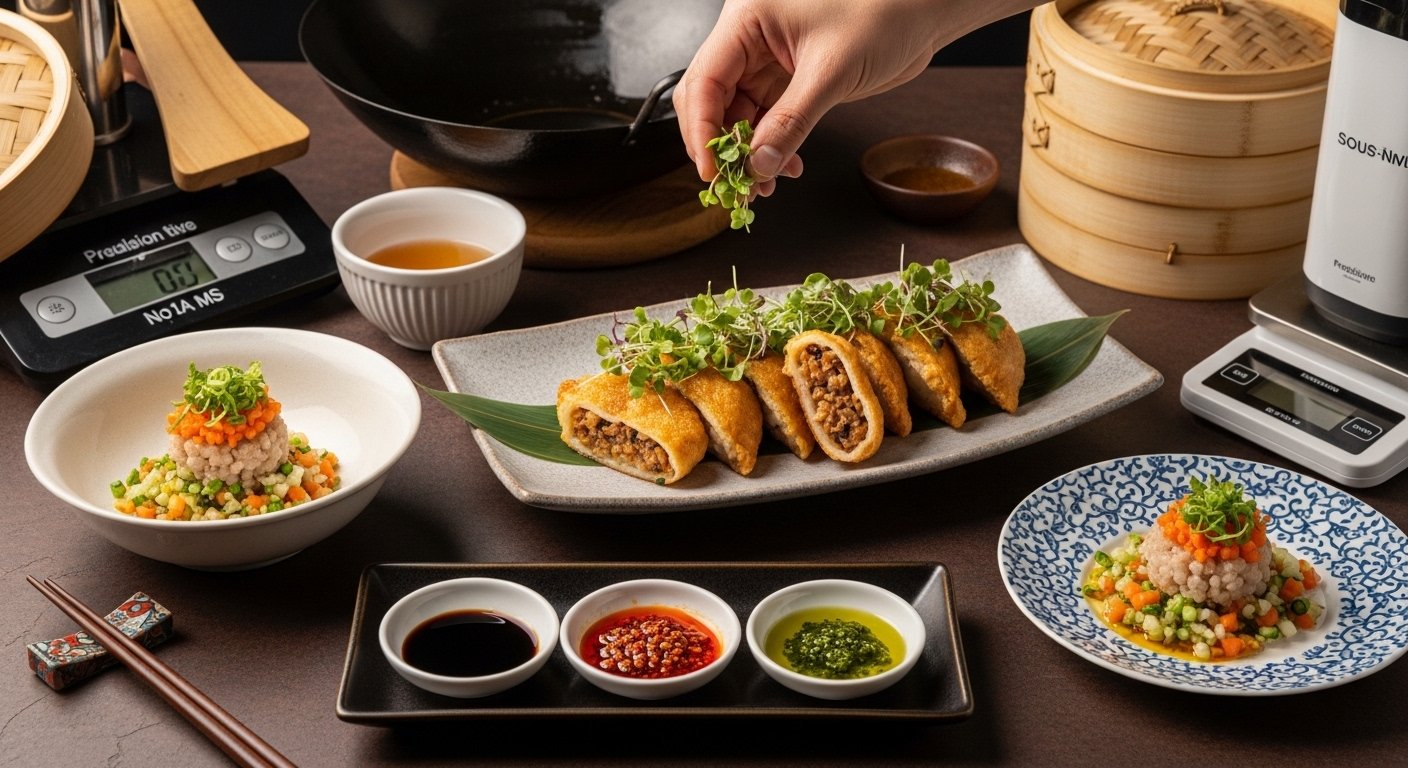
Cooking is an art that evolves over centuries, blending time-honored techniques with modern culinary innovations. One dish that embodies this harmonious combination is Xuebaotou, a culinary delight renowned for its rich flavors, unique preparation methods, and versatility in modern kitchens. Rooted in traditional techniques, Xuebaotou has been adapted over the years, reflecting the dynamic nature of cooking where cultural heritage meets contemporary trends. From its intricate preparation to its innovative modern interpretations, Xuebaotou exemplifies the balance between tradition and modernity in gastronomy.
The Origins of Xuebaotou and Its Cultural Significance
The history of Xuebaotou is deeply intertwined with regional culinary traditions, tracing back several centuries. Originally crafted in small family kitchens, this dish was celebrated not only for its taste but also for the skill and patience required in its preparation. Historical records suggest that Xuebaotou was considered a symbol of hospitality, often served during festivals and family gatherings to showcase culinary prowess.
Traditionally, Xuebaotou combines a variety of ingredients carefully selected for texture, aroma, and visual appeal. Its preparation involves slow cooking techniques, marination, and a delicate balance of spices that highlight the essence of regional flavors. Over time, chefs and home cooks alike have explored innovative methods to modernize the dish while preserving its authentic taste.
Traditional Techniques in Preparing Xuebaotou
Traditional cooking methods are the cornerstone of Xuebaotou, requiring a meticulous approach. One essential technique involves the slow rendering of fats and careful layering of ingredients to ensure even flavor distribution. The use of clay pots and controlled heat is common, as it enhances the texture and aroma of the dish.
Marination is another critical step. Ingredients are often left to absorb the flavors of spices, herbs, and sauces for several hours, allowing the dish to develop depth and complexity. The traditional process emphasizes patience and precision, ensuring that each component contributes harmoniously to the final taste.
| Technique | Purpose | Traditional Equipment |
|---|---|---|
| Slow cooking | Develops depth of flavor | Clay pot, low flame stove |
| Marination | Infuses ingredients with spices | Ceramic bowls |
| Layering | Ensures balanced taste | Wooden spatulas, ladles |
| Simmering | Enhances texture | Heavy-bottomed pans |
These foundational techniques not only preserve the authenticity of Xuebaotou but also allow for creative variations, providing a canvas for modern culinary adaptations.
Modern Twists and Culinary Innovations in Xuebaotou
In recent years, modern chefs have reimagined Xuebaotou by experimenting with new ingredients, cooking technologies, and presentation styles. Sous-vide cooking, for instance, enables precise temperature control, maintaining the integrity of traditional flavors while offering a contemporary texture. Fusion cuisine has also introduced elements from Western and other Asian culinary traditions, blending traditional Xuebaotou with ingredients such as truffle oil, exotic mushrooms, or artisanal sauces.
These modern twists do not detract from the original essence of Xuebaotou; instead, they highlight the dish’s adaptability and appeal to a wider audience. By incorporating innovative techniques, chefs can preserve traditional methods while offering a fresh and exciting experience for diners.
| Modern Twist | Culinary Benefit | Example Ingredients |
|---|---|---|
| Sous-vide cooking | Precise texture and flavor | Garlic, ginger, premium meats |
| Fusion flavors | Expands appeal | Truffle oil, shiitake mushrooms |
| Creative plating | Visual appeal | Edible flowers, microgreens |
| Reduced-fat versions | Health-conscious | Low-fat broths, plant-based proteins |
Ingredients and Flavor Profiles
A hallmark of Xuebaotou is its layered flavor profile, which balances richness, umami, and subtle aromatic notes. Traditional ingredients often include a combination of meats, root vegetables, and aromatic spices. Modern adaptations may introduce plant-based alternatives, innovative sauces, or novel seasonings to cater to contemporary palates.
Balancing flavors requires careful attention to ratios and timing. Slow cooking ensures that each ingredient releases its natural aroma, while marination enhances the infusion of spices. Chefs often adjust ingredient combinations depending on the desired outcome, allowing Xuebaotou to maintain its authenticity while embracing innovation.
| Ingredient | Traditional Use | Modern Adaptation |
|---|---|---|
| Pork belly | Richness, texture | Plant-based alternative for vegan options |
| Star anise | Aroma, flavor | Infused oils or powders |
| Soy sauce | Saltiness, depth | Reduced-sodium or artisanal variants |
| Ginger & garlic | Base flavor | Roasted or caramelized for modern twist |
Cooking Methods: From Stove to Modern Kitchen
Traditional Xuebaotou relies on methods that emphasize time and attention, including slow cooking, simmering, and layering flavors. Modern kitchens, however, integrate advanced tools like induction stoves, pressure cookers, and vacuum-sealed cooking. These tools allow for faster cooking times without compromising flavor, texture, or authenticity.
The key to maintaining the traditional essence of Xuebaotou in modern cooking lies in understanding the chemical and physical changes during preparation. For example, controlling heat ensures proteins retain juiciness, while proper layering prevents flavor imbalances. Modern chefs who respect these principles can create Xuebaotou dishes that honor tradition while embracing contemporary techniques.
Pairing Xuebaotou with Complementary Dishes and Beverages
Xuebaotou is versatile in pairing with various side dishes and beverages. Traditionally, it is served with steamed rice, pickled vegetables, or light soups to balance its richness. Modern culinary practices often explore fusion accompaniments, such as artisan breads, creative salads, or even wine pairings that complement its umami depth.
Pairing considerations involve both flavor and texture. Lighter sides enhance the richness of Xuebaotou, while beverages like green tea or mild wines cleanse the palate and accentuate aromatic notes. This holistic approach elevates the dining experience, blending traditional and modern culinary philosophies.
| Pairing | Flavor Balance | Traditional vs Modern |
|---|---|---|
| Steamed rice | Neutral base | Traditional |
| Pickled vegetables | Acidic contrast | Traditional |
| Artisan bread | Texture contrast | Modern twist |
| Green tea / mild wine | Palate cleanser | Fusion approach |
The Future of Xuebaotou in Global Cuisine
As global culinary trends continue to evolve, Xuebaotou has gained recognition beyond its traditional roots. Chefs and food enthusiasts worldwide are embracing the dish, experimenting with local ingredients while preserving its essence. The adaptability of Xuebaotou ensures it remains relevant, offering a bridge between cultural heritage and modern gastronomic innovation.
Cooking workshops, culinary schools, and online platforms are increasingly featuring Xuebaotou, highlighting both traditional techniques and contemporary adaptations. This global interest not only preserves the cultural significance of Xuebaotou but also inspires ongoing innovation and creativity in the kitchen.
Conclusion
Xuebaotou exemplifies the delicate balance between tradition and modernity in the culinary world. Its rich history, meticulous preparation methods, and potential for innovative adaptations make it a versatile and celebrated dish. By honoring traditional techniques while embracing modern twists, Xuebaotou continues to captivate food enthusiasts and chefs alike. Whether prepared in a family kitchen or a modern restaurant, Xuebaotou is a testament to the enduring power of culinary artistry, connecting generations through taste, aroma, and creativity.
In exploring Xuebaotou, chefs and home cooks alike are reminded that food is more than sustenance; it is a celebration of culture, innovation, and the joy of discovery in every bite. The evolution of Xuebaotou illustrates how culinary heritage can thrive alongside modern innovation, ensuring this iconic dish remains a treasured part of both traditional and contemporary cuisine.